Spotting Early Tooth Decay Before It Becomes a Bigger Problem
Have you ever wondered if something was wrong with your teeth but could not be sure? Dental problems do not always come with obvious warning signs. Early tooth decay is one of the most common conditions that develops without you noticing.
By the time pain sets in, the decay may already be advancing. But catching it early can protect your teeth and save you from bigger treatments.
The good news is that there are signs you can watch for at home.
In this blog, we will walk you through what to look for and when to act.
What Is Early Tooth Decay?
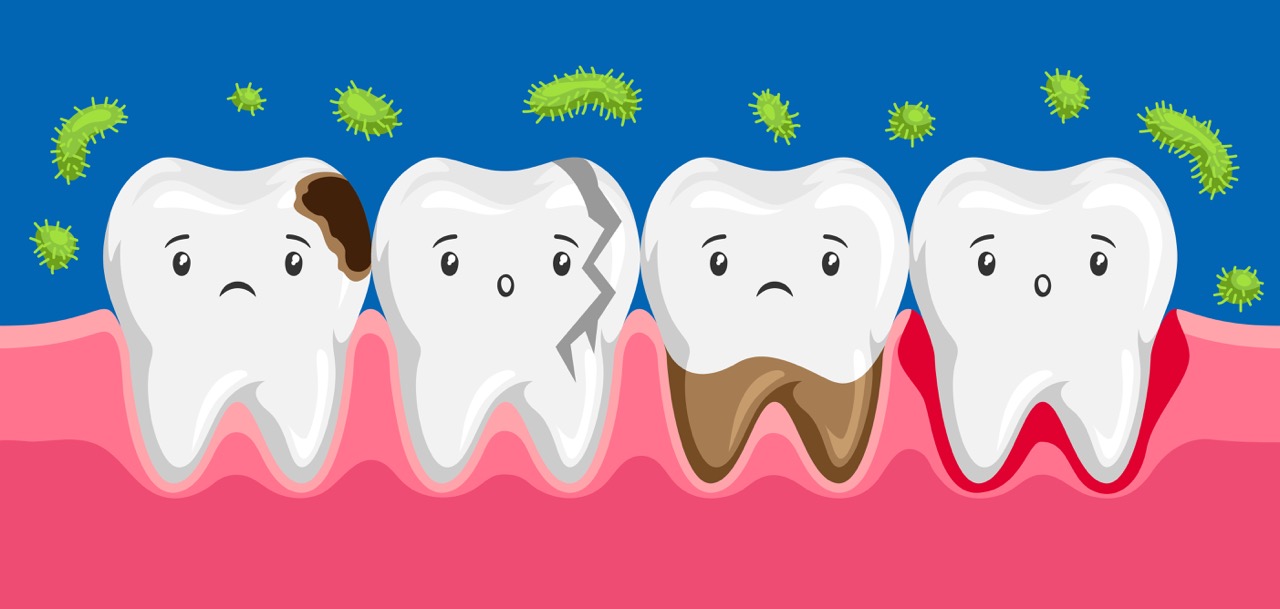
Tooth decay begins when bacteria in your mouth feed on sugars and produce acid. That acid slowly breaks down your enamel over time. Early tooth decay is the first stage of this process. The damage is still on the surface and has not reached the inner layers of your tooth yet.
This is very different from an advanced cavity, which goes deeper and causes more pain. Early detection gives your dentist a chance to stop the decay. Acting at this stage often means simpler and less costly treatment.
Can You Really Spot Early Tooth Decay at Home?
You cannot diagnose tooth decay the way a dentist can. Dentists use X-rays and tools to see what your eyes cannot. But self-awareness plays an important role in protecting your teeth. Noticing changes early can prompt you to seek care sooner.
You can look for visible changes in color or texture. You can also pay attention to how your teeth feel day to day. Home checks are helpful when used alongside regular dental visits. They are not a replacement but a useful first step.
Common Signs of Early Tooth Decay You Can Notice at Home
Your teeth often give you signals before a problem becomes serious. Learning to recognize those signals puts you in a stronger position. You do not need dental training to notice changes in how your teeth look or feel. Paying close attention to your mouth every day can help you catch early tooth decay before it gets worse.
Here are the signs to watch for at home:
White or Chalky Spots on Teeth
One of the first visible signs of early tooth decay is a white or chalky patch on the tooth surface. This happens when acid begins to weaken the enamel in that area. The mineral content of the enamel starts to break down. These spots are easy to miss if you are not looking carefully. Check your teeth in good lighting after brushing.
Tooth Sensitivity to Hot, Cold, or Sweet Foods
Do your teeth sting when you drink something cold or eat something sweet? Sensitivity is one of the earliest warning signs of tooth decay. It happens when the enamel thins and the nerves underneath become more exposed. This kind of sensitivity is different from general tooth soreness. It is quick, sharp, and triggered by specific foods or temperatures.
Mild Toothache or Discomfort
Early tooth decay does not always cause constant pain. You might feel occasional discomfort that comes and goes. This intermittent ache is easy to brush off as nothing serious. But mild pain that keeps returning should not be ignored. It may be a sign that decay is progressing into the deeper layers. Catching it now is much better than waiting for the pain to get worse.
Dark Spots or Discoloration
As decay progresses, the affected area may change color. You might notice a brown, grey, or black spot forming on the tooth. This discoloration is a sign that enamel is breaking down in that spot. It is different from regular surface staining from coffee or tea. Look closely at the surfaces of your back teeth and near the gumline. These are areas where discoloration from decay often appears first.
Areas Where Tooth Decay Often Starts
Knowing where to look makes home checks much more effective. Decay commonly starts between teeth, where your toothbrush cannot reach. Plaque builds up in those tight spaces and causes damage over time. The gumline is another high-risk area.
Food and bacteria collect there and are easy to miss during brushing. The grooves and pits on the tops of your back teeth are also vulnerable. Food gets trapped in those deep ridges and is hard to clean out fully. Checking these specific areas helps you catch early tooth decay at its most treatable stage.
What Causes Early Tooth Decay?
Tooth decay does not happen overnight. It develops gradually from a combination of habits and conditions. Understanding what causes it gives you the power to prevent it. Most of the risk factors are things you can actually control with some simple changes to your daily routine.
Here are the most common causes of early tooth decay:
Poor Oral Hygiene Habits
When you skip brushing or flossing, plaque builds up on your teeth. Plaque is a sticky film of bacteria that produces acid every time you eat. Over time, that acid wears down your enamel and creates the conditions for decay.
Consistent brushing and flossing remove plaque before it causes damage. Good oral hygiene is the single most effective way to prevent early tooth decay.
Sugary and Acidic Foods
Sugar is the primary fuel for the bacteria that cause tooth decay. Every time you eat sugar, bacteria produce acid that attacks your enamel.
Acidic foods and drinks like citrus and soda do the same damage directly. They soften the enamel and make it easier for decay to start. Limiting these foods and rinsing your mouth with water after eating helps protect your teeth.
Dry Mouth or Low Saliva
Saliva is your mouth’s natural defense against decay. It washes away food, neutralizes acid, and keeps bacteria in check. When saliva levels drop, your teeth lose that protection.
Dry mouth can be caused by certain medications, health conditions, or dehydration. Drinking more water and talking to your dentist about dry mouth can help reduce your risk of early tooth decay.
Simple At-Home Habits to Help Prevent Early Tooth Decay
Prevention is always easier than treatment. A few consistent habits can protect your enamel and lower your risk of developing decay. These steps are simple, affordable, and effective when done regularly. Starting today can make a real difference in the long-term health of your teeth.
Here are simple habits to protect your teeth:
- Brush twice daily with fluoride toothpaste to strengthen enamel and remove plaque
- Floss daily to clean between teeth where your brush cannot reach
- Limit sugary snacks and drinks to reduce acid attacks on your enamel
- Drink plenty of water throughout the day to rinse your mouth and support saliva flow
When Should You See a Dentist?
Some signs should never be ignored. It is time to book an appointment when:
- You notice persistent sensitivity to hot, cold, or sweet foods that keeps coming back
- You see visible spots or discoloration that were not there before
- You feel pain that does not go away on its own within a day or two
Early tooth decay is much easier to treat when caught in time. Do not wait for the pain to become unbearable. A quick dental visit can prevent a small problem from turning into a major one.
Catch It Early and Keep Your Smile Strong
Early detection is the key to protecting your teeth from serious damage. Small signs matter. Do not wait until pain takes over. Regular dental visits and daily care give you the best defense against tooth decay.
At Kiefer Family Dental, we are here to help you catch problems early and keep your smile healthy. Schedule your appointment today and take the first step toward better dental health.
Contact Kiefer Family Dental
3323 Mariner Dr, Evansville, IN 47711