
Early Warning Signs of Gum Disease You Shouldn’t Ignore
You’re rushing through your morning routine when you spit into the sink and notice pink-tinged foam. Again. You’ve been seeing blood when you brush for weeks now, but you keep telling yourself it’s because you’re brushing too hard. Sound familiar?
Periodontal disease is usually painless, especially in the early stages. It’s important to know the warning signs so you can get appropriate treatment before the disease worsens. Many people ignore early symptoms until serious damage occurs.
It starts with swollen, red, and bleeding gums. If left untreated, it can spread to the bones surrounding the gums, making it painful to chew.
Recognizing the warning signs of gum disease early helps you protect your smile from permanent damage. Early action can reverse gingivitis completely and prevent progression to advanced periodontal disease. This guide reveals exactly what to watch for and when to seek professional help.
What Is Gum Disease?
Periodontal disease refers to inflammation and infection of the tissues that support your teeth. Symptoms include bleeding gums, bad breath and loose teeth. The condition develops when bacterial plaque builds up along the gum line and hardens into tartar.
Gingivitis. This is the earliest stage of gum disease. It starts with red, puffy gums that may bleed when you brush or floss. At this stage, there’s no bone loss. As a result, gingivitis is totally reversible with proper treatment. However, periodontitis represents advanced disease affecting bone and connective tissues supporting teeth.
Gum disease can also affect overall health and has been linked to systemic conditions such as diabetes and heart disease. The condition progresses gradually over time, making early detection crucial for successful treatment outcomes.
What Are the Most Common Warning Signs of Gum Disease?
Gum disease affects millions of people, but its early warning signs are easy to miss. Since symptoms often start subtly, and rarely cause pain at first, many don’t realize there’s a problem until it’s advanced. Paying attention to these symptoms helps catch problems early.
Let’s look at the most common warning signs of gum disease:
Bleeding Gums When Brushing or Flossing
One of the earliest and most common signs of gum disease is bleeding gums. If you notice blood when brushing or flossing, it may be tempting to dismiss it as brushing too hard. But healthy gums don’t bleed easily.
While occasional bleeding can happen if you brush too hard or are just starting to floss, consistent bleeding is a red flag. If you regularly see blood when you brush or floss, it’s a sign that your gums are irritated and possibly infected.
Red, Swollen, or Tender Gums
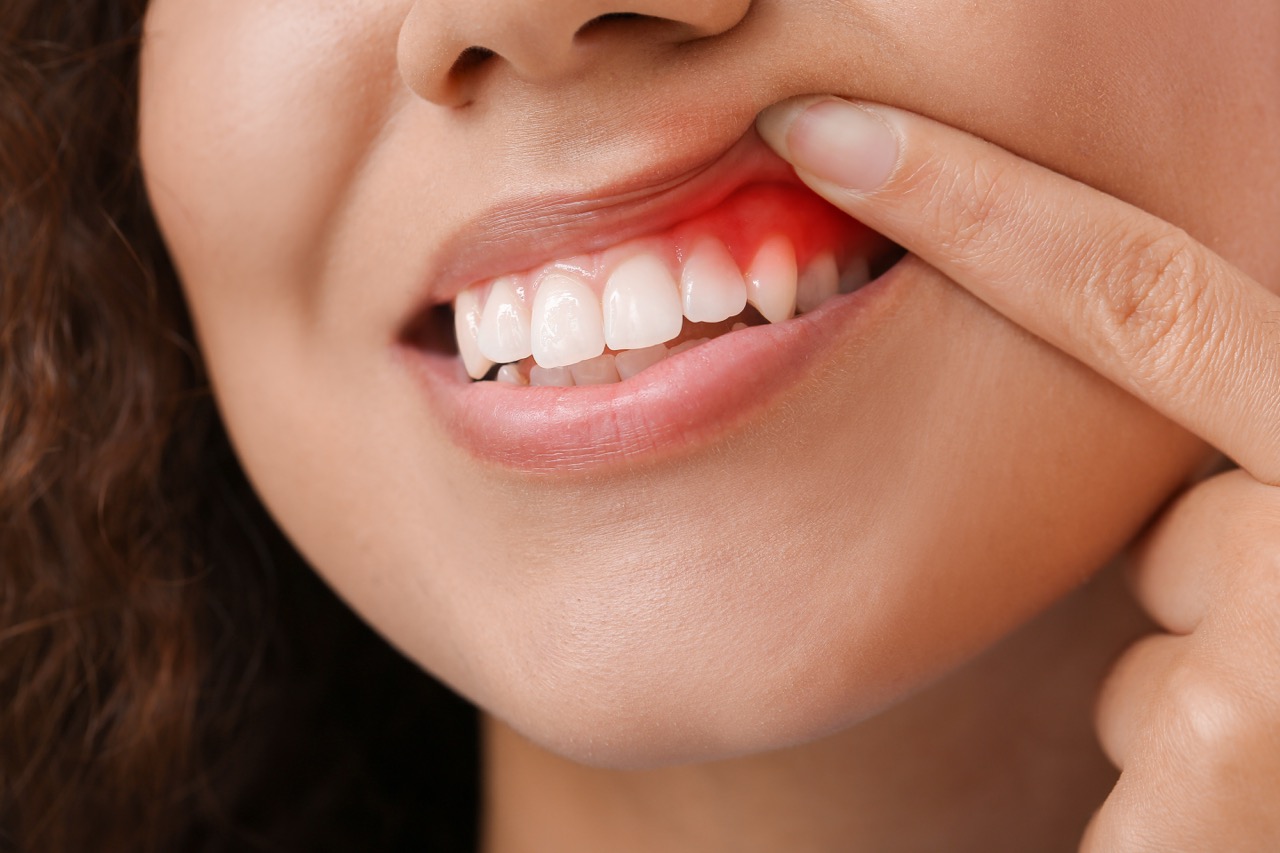
Healthy gums are firm and pale pink. Gums affected by early gum disease often appear red, swollen, or tender. This inflammation is the body’s response to bacterial irritation. Swollen gums may feel uncomfortable when eating or brushing.
One of the earliest and most visible signs of gum disease is inflammation. Healthy gums should be firm and pale pink. When they become red, swollen, or puffy, it’s often a signal that plaque has built up along the gumline.
Persistent Bad Breath
Bad breath that does not go away, even when you brush and use mouthwash, can be a sign of gum disease. Bacteria trapped under the gums release toxins that cause unpleasant odors.
The mouth provides a warm and moist environment where bacteria thrive. When these bacteria feed on leftover food particles, they release toxins that produce an unpleasant odor. Regular brushing and mouthwash won’t resolve this underlying gum problem.
Gum Recession or Teeth Looking Longer
When gum disease progresses, gums can begin to pull away from the teeth. This is known as gum recession. Teeth may look longer than before, or you may notice small gaps forming near the gumline.
Gum line receding is one of the clearest gum disease symptoms. When your teeth start to look longer than before, it signals that the gum tissue is shrinking and pulling away. This exposes sensitive tooth roots vulnerable to decay.
Other Symptoms of Gum Disease You Should Not Ignore
In more advanced stages of gum disease, the bone and tissues that support the teeth can weaken. Additional symptoms emerge as the condition progresses beyond early gingivitis.
In addition, watch for these signs:
- Loose teeth that shift position or feel unstable when chewing
- Pain while chewing indicating bone and tissue damage around teeth
- Changes in bite alignment where teeth no longer fit together properly
- Pus between teeth and gums signaling active infection requiring immediate care
Why Catching Gum Disease Early Changes Everything
Gum disease does not go away on its own. The earlier it is treated, the easier it is to manage. In its earliest stage, called gingivitis, gum disease can often be reversed with professional cleanings and better home care.
Early detection prevents progression to periodontitis where permanent bone loss occurs. Treating gingivitis protects teeth and gums while avoiding complex procedures like gum surgery. Additionally, early intervention reduces risks of tooth loss and expensive restorative treatments later.
Who Is More at Risk for Gum Disease?
There are several risk factors for gum disease, but smoking is the most significant. Smoking also can make treatment for gum disease less successful. Other risk factors include hormonal changes in girls and women; certain illnesses, such as diabetes or AIDS and their medications; and genetics.
Several factors increase your vulnerability to developing periodontal disease:
Poor Oral Hygiene Habits
Inconsistent brushing and flossing allows plaque to accumulate and harden into tartar. Without regular brushing and flossing, the dental plaque created from bacteria will continue to build up and eventually begin to irritate the gums. Daily oral care removes bacteria before they cause inflammation.
Smoking or Tobacco Use
Smoking restricts the normal blood flow to the gums masking the early warning signs of gum disease. Tobacco use dramatically increases infection risks while making treatment less successful.
Medical Conditions
Bleeding or swollen gums can be a warning sign of type 1 or type 2 diabetes. When you have this disease, your mouth isn’t as powerful at fighting germs, so you’re more likely to get infections like gum disease. Other conditions affecting immune function also increase risks.
Hormonal Changes
Pregnancy, puberty, and menopause cause hormonal fluctuations making gums more sensitive and prone to inflammation. Hormonal swings during pregnancy, puberty, or menopause can make gums more sensitive and prone to bleeding.
How to Prevent Gum Disease and Protect Your Smile
Prevention remains far easier and less expensive than treating advanced gum disease. Brushing your teeth twice a day with a fluoride toothpaste. Flossing regularly to remove plaque from between teeth. Simple daily habits create powerful protection against periodontal disease.
Here are simple ways to protect your gums:
- Brush twice daily with proper technique using soft bristles and gentle circular motions
- Floss regularly to remove plaque from between teeth where brushes cannot reach
- Schedule routine dental checkups every six months for professional cleanings and monitoring
- Maintain a healthy diet rich in vitamins while limiting sugary foods and beverages
When Should You See a Dentist for Gum Disease?
If you develop bleeding, tender or swollen gums, you should see a dentist as soon as possible. Early detection is key. Don’t wait until symptoms become severe or painful before seeking professional evaluation.
Schedule an appointment if you notice:
- Symptoms persist despite improved home care and oral hygiene efforts
- Bleeding occurs frequently when brushing or flossing your teeth
- You notice gum changes like recession, swelling, or color changes
- Professional evaluation identifies problems invisible to untrained eyes
How Kiefer Family Dental Helps Manage Gum Disease
At Kiefer Family Dental, we prioritize preventive care through regular checkups that catch gum problems early. Our experienced team provides comprehensive periodontal therapy options tailored to each patient’s specific needs. We focus on patient-centered approaches combining gentle treatment with thorough education.
Our commitment to comfort means we offer nitrous oxide sedation for anxious patients during procedures. We explain findings clearly and answer questions thoroughly so you understand your oral health. Additionally, we develop personalized treatment plans addressing your unique risk factors and lifestyle needs.
Protect Your Smile Starting Today
The warning signs of gum disease provide early alerts that something needs attention before permanent damage occurs. Early detection makes gum disease treatment far simpler, and may even reverse the damage. Don’t ignore bleeding gums, persistent bad breath, or gum recession hoping problems resolve independently.
Schedule your appointment with Kiefer Family Dental today for comprehensive gum evaluation and personalized care. Our experienced Evansville team helps you maintain healthy gums through professional treatment and education supporting excellent home care.
Contact Kiefer Family Dental
3323 Mariner Dr, Evansville, IN 47711
kelsey.kiefer@kieferfamilydental.com
Your gums protect your teeth for life. Let us help you keep them healthy!