How Dental Sealants Prevent Cavities and Protect Your Teeth
Cavities remain one of the most common but preventable dental issues affecting children and adults. Back teeth contain deep grooves that trap food particles and bacteria easily. Even thorough brushing cannot reach into these narrow crevices to remove harmful buildup completely.
Molars become particularly difficult to protect with brushing alone due to their complex surface anatomy. Children aged 6 to 11 without dental sealants are three times more likely to develop cavities. Understanding how dental sealants prevent cavities helps families make informed decisions about preventive care.
Dental sealants provide a protective barrier that keeps food and bacteria out of vulnerable tooth grooves. This simple preventive solution offers years of protection against decay in back teeth. Moreover, sealants prevent cavities more effectively than relying solely on brushing and flossing.
Kiefer Family Dental provides comprehensive family and pediatric dental care including protective dental sealants. Our team helps parents understand how sealants prevent cavities in their children’s teeth.
What Is a Dental Sealant?
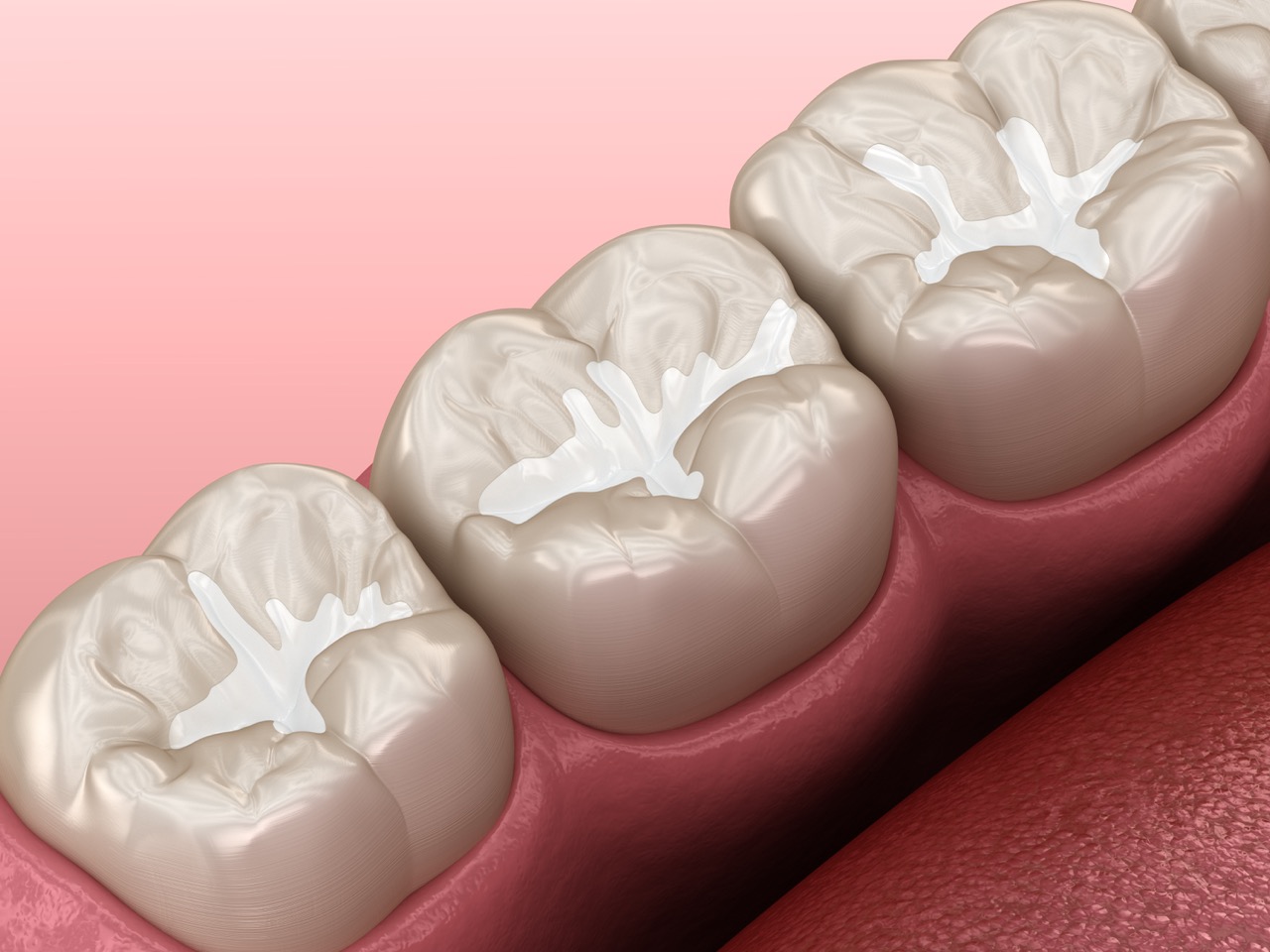
A dental sealant is a thin, protective coating painted onto the chewing surfaces of back teeth. These coatings are typically made from BPA-free resin that bonds securely to tooth enamel. These are completely clear or tooth-colored, making them virtually invisible when smiling.
Dentists apply sealants primarily to molars and premolars where deep grooves create vulnerability to decay. The liquid resin flows into these narrow grooves and hardens quickly under a special curing light. Once hardened, dental sealants prevent cavities by creating a smooth, protective shield over tooth surfaces.
The protective barrier blocks food particles and bacteria from settling into tooth crevices throughout the day. This thin coating makes cleaning easier since brushes can reach smooth surfaces more effectively. Additionally, dental sealants prevent cavities without requiring drilling, injections, or removing healthy tooth structure.
How Dental Sealants Prevent Cavities
Dental sealants prevent cavities by blocking food debris and bacteria from entering deep tooth grooves. These protective coatings create smooth surfaces that resist plaque accumulation and acid attacks. The barrier prevents decay-causing bacteria from producing acids that erode tooth enamel over time.
Sealants protect against 80% of cavities for 2 years and continue to protect against 50% of cavities for up to 4 years. Deep grooves in molars trap particles that even careful brushing cannot remove completely. Therefore, sealants prevent cavities in areas most vulnerable to decay formation.
The protective shield keeps germs out while enamel underneath remains healthy and strong throughout childhood. Studies show that dental sealants prevent cavities significantly better than unsealed teeth in similar conditions. Moreover, preventing cavities saves children from painful procedures and expensive restorative treatments later.
Why Molars Need Extra Protection
Back teeth face unique challenges that make cavity prevention more difficult:
- Deep pits and grooves trap food particles constantly
- Harder to clean thoroughly with regular brushing techniques
- Higher cavity risk in children and teens during formative years
Who Should Get Dental Sealants?
Children and teens represent the primary candidates for protective dental sealants on permanent molars. Sealants work best when applied soon after permanent molars erupt, around age 6 for first molars and age 12 for second molars. Early application provides maximum protection during the cavity-prone years of childhood and adolescence.
Adults with deep grooves or high cavity risk also benefit from dental sealants significantly. Teeth without existing decay or fillings qualify for sealant application at any age. Your dentist evaluates individual risk factors and tooth anatomy before recommending treatment.
Some children may benefit from sealants on primary teeth if grooves appear unusually deep. Dental sealants prevent cavities in baby teeth that need protection until permanent teeth emerge.
What to Expect During a Dental Sealant Appointment
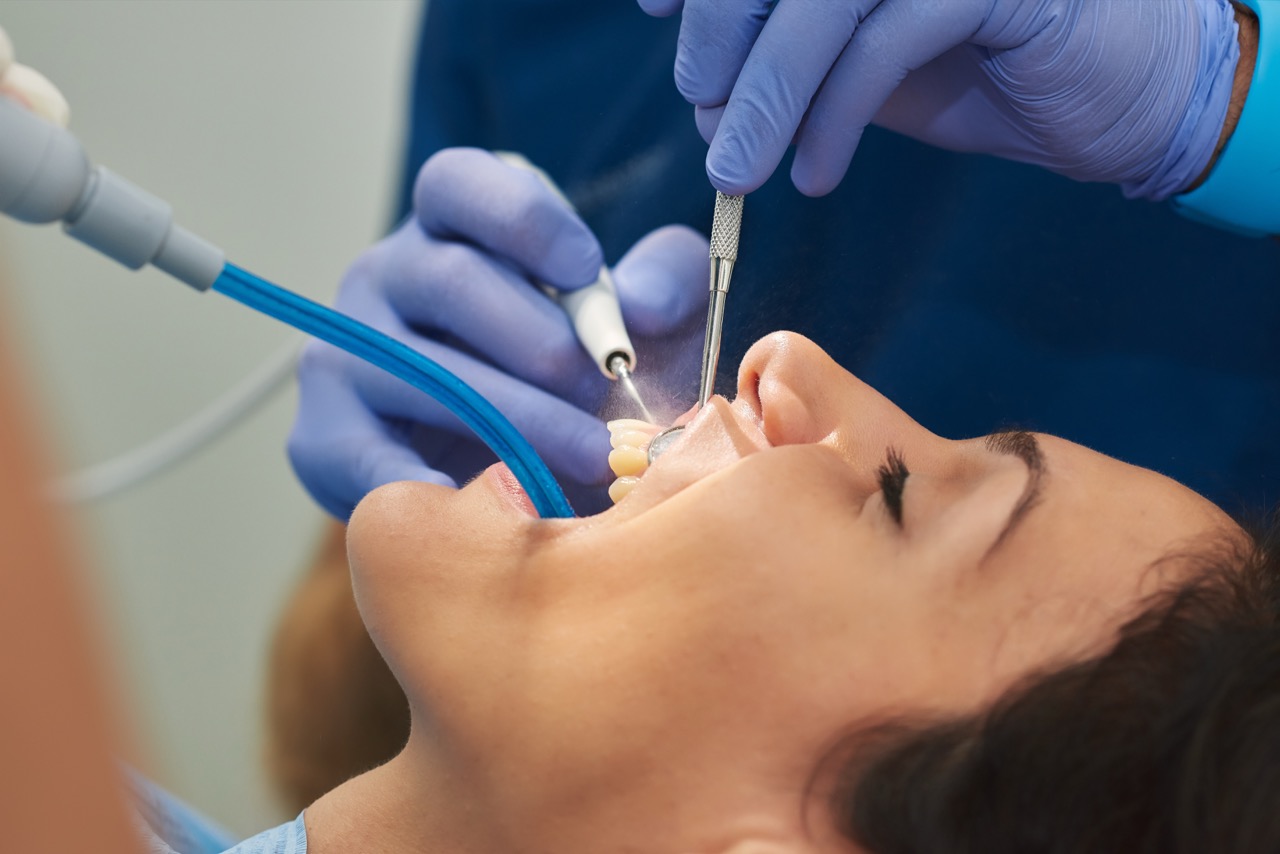
The sealant application process takes only a few minutes per tooth and feels completely comfortable. No drilling, shots, or numbing is required for this quick preventive procedure. Children appreciate that dental sealants prevent cavities painlessly compared to filling treatments.
Your dentist cleans and dries the tooth thoroughly before applying a conditioning gel briefly. After rinsing, the liquid sealant flows onto tooth grooves and hardens under a special blue light. The entire appointment typically takes 30 to 60 minutes for multiple teeth.
Dental sealants prevent cavities immediately after application without any recovery time needed. Children can eat and drink normally right after their appointment without restrictions.
How Long Do Dental Sealants Last?
Dental sealants typically last between 5 and 10 years with proper oral care and habits. The durable resin material bonds securely to tooth enamel and withstands normal chewing forces. Regular dental checkups allow your dentist to monitor sealant condition and reapply if needed.
Sealants that remain intact for 3 to 5 years are considered successful, though many last much longer. Some sealants placed during childhood remain functional into adulthood with proper maintenance. Professional cleanings every six months help preserve sealant integrity over time.
Your dentist checks sealants during routine visits and recommends repair when wear becomes visible. Dental sealants prevent cavities most effectively when monitored and maintained regularly. Therefore, combining sealants with excellent oral hygiene maximizes their protective benefits long-term.
Dental Sealants vs. Fillings: What’s the Difference?
Dental sealants prevent cavities before decay develops, while fillings treat existing cavities after damage occurs. Sealants represent preventive care that protects healthy teeth from future problems. Fillings require removing decayed tooth structure and restoring it with filling material.
The sealant application process is quick, painless, and non-invasive without drilling or numbing required. Filling procedures involve numbing the area and drilling away decayed portions before placing restoration. Therefore, prevention through sealants saves time, money, and discomfort compared to treating cavities.
Dental sealants prevent cavities that would otherwise require fillings, crowns, or even root canals eventually. Applying sealants to children without them could save up to $300 million in dental treatment costs. Prevention always costs less and preserves more natural tooth structure than treatment does.
Choosing dental sealants prevents cavities proactively rather than reacting to decay after it develops. This preventive approach aligns with modern dentistry’s focus on maintaining oral health lifelong.
How Dental Sealants Fit Into Preventive Care at Kiefer Family Dental
We integrate dental sealants into comprehensive preventive care plans for children and adults. Regular dental exams allow us to identify teeth that would benefit from sealant protection. Additionally, professional cleanings remove plaque before sealant application for optimal bonding.
Fluoride treatments and dental sealants prevent cavities through complementary mechanisms for maximum protection. Our Evansville dentist team develops personalized preventive plans based on individual risk factors. Therefore, dental sealants prevent cavities as part of a comprehensive oral health strategy.
Combining sealants with excellent home care and regular checkups creates the best cavity prevention. Dental sealants prevent cavities in grooves while fluoride strengthens overall enamel surface strength. Moreover, professional monitoring ensures all preventive measures work together effectively over time.
Protect Your Smile With Kiefer Family Dental
Parents can feel confident that dental sealants prevent cavities safely and effectively for their children. This proven preventive treatment has protected millions of teeth for over 40 years successfully. Early intervention through sealants avoids painful cavities and expensive restorative procedures later.
Schedule an appointment with Kiefer Family Dental to discuss whether dental sealants prevent cavities appropriately for your family. Prevention always surpasses treatment in preserving natural teeth and minimizing dental expenses. Our experienced team makes sealant application comfortable and stress-free for children.
Contact Information
3323 Mariner Dr, Evansville, IN 47711
kelsey.kiefer@kieferfamilydental.com
Discover how dental sealants prevent cavities and protect smiles for years to come.