The Most Common Dental Problems Seen in Evansville Adults
Most adults deal with at least one dental problem at some point in their lives. Some issues develop slowly over years. Others seem to appear overnight. The good news is that most common dental problems are preventable and treatable. The key is knowing what to look for and acting before things get worse.
At Kiefer Family Dental in Evansville, we see the same dental concerns come up time and again in adult patients. Here is a straightforward look at what those are and what you can do about them.
Tooth Decay
Tooth decay is one of the most common dental problems in adults across Evansville and everywhere else. It happens when bacteria in the mouth feed on sugars and produce acid that breaks down enamel. Many adults assume cavities are a childhood issue. They are not.
Adults face decay risk from sugary drinks, dry mouth, worn fillings, and gaps in daily oral hygiene. Decay can develop between teeth, along the gumline, and around existing dental work. The earlier decay is caught, the simpler the treatment. A small filling is far easier than a crown or root canal.
Gum Disease
Gum disease affects a large portion of adults in the United States. It starts as gingivitis, which causes red, swollen gums that bleed during brushing. Many people notice this and do nothing about it. Left untreated, gingivitis advances into periodontitis. At that stage, the infection reaches the bone and tissue supporting the teeth.
Common signs include:
- Bleeding gums when brushing or flossing
- Persistent bad breath
- Gum recession
- Loose or shifting teeth
- Tenderness around the gumline
Gum disease is a leading cause of tooth loss in adults. Professional cleanings and periodontal care can stop its progression when caught in time.
Tooth Sensitivity
Tooth sensitivity is a common dental issue that many adults experience but often overlook. If you feel a sharp or sudden pain when drinking something cold, eating hot foods, or enjoying sweets, it may be a sign that your teeth are becoming more sensitive. This usually happens when tooth enamel wears down or the gums recede, exposing the dentin, the layer beneath the enamel that contains tiny nerve pathways.
Sensitivity can be triggered by hot or cold foods and drinks, sweet or acidic foods, cold air, or even brushing your teeth too aggressively. While mild sensitivity may improve with a toothpaste designed for sensitive teeth, it can sometimes indicate a more serious problem such as tooth decay, a cracked tooth, or gum recession. Identifying the cause is important because the right treatment depends on what is causing the sensitivity.
Cracked or Chipped Teeth
Cracked and chipped teeth are more common in adults than most people realize. They can result from biting down on something hard, an old filling that weakens the tooth structure, teeth grinding, or an accident. Some cracks are visible. Others are not. A tooth can crack internally without any outward sign, and the pain may come and go in a way that makes it easy to dismiss. Chips and cracks should be evaluated by a dentist. Leaving them untreated can lead to infection, deeper fractures, or the need for extraction down the road.
Teeth Grinding (Bruxism)
Many adults grind their teeth without knowing it. Bruxism often happens during sleep, so patients are unaware until a dentist notices the wear patterns or a partner mentions the sound. Grinding puts significant force on the teeth. Over time it causes:
- Worn or flattened tooth surfaces
- Increased sensitivity
- Jaw pain and headaches
- Cracked enamel
- Damage to existing dental work
Stress is a common trigger. A custom nightguard from your dentist can protect your teeth and relieve jaw pressure while you sleep.
Dry Mouth
Dry mouth is often underestimated as a dental concern. Saliva plays an essential role in protecting teeth. It neutralizes acids, washes away food particles, and helps prevent decay. When saliva production drops, the risk of tooth decay and gum problems rises significantly. Dry mouth in adults is frequently linked to:
- Prescription and over-the-counter medications
- Medical conditions such as diabetes or autoimmune disorders
- Breathing through the mouth
- Dehydration
If you notice a persistently dry or sticky feeling in your mouth, mention it at your next dental visit. There are practical ways to manage it and protect your teeth in the process.
Tooth Loss
Tooth loss affects millions of adults and carries consequences beyond appearance. Missing teeth change how you chew, affect your speech, and cause the surrounding teeth to shift over time. Bone loss in the jaw also begins when a tooth root is no longer present. The most common causes of adult tooth loss include advanced gum disease, severe decay, and dental trauma. Modern dentistry offers several options to replace missing teeth, including dental implants, bridges, and dentures. The right solution depends on your oral health, bone density, and personal preferences. What matters most is not leaving the gap unaddressed.
Bad Breath
Persistent bad breath, also called halitosis, goes beyond morning breath. It is a sign that something in the mouth or body needs attention. In most cases, the cause is oral. Bacteria accumulate on the tongue, between teeth, and along the gumline. They produce compounds that create an unpleasant odor.
Common oral causes of bad breath include:
- Gum disease
- Tooth decay
- Dry mouth
- Poor oral hygiene
- Food trapped between teeth or under dental work
Occasionally, bad breath is linked to digestive issues or other health conditions. A dental evaluation can help identify where the problem is coming from and what to do about it.
Worn Enamel
Enamel does not grow back once it is lost. Adults who consume a lot of acidic foods and drinks, deal with acid reflux, or brush too aggressively may notice gradual enamel erosion over time. Signs of worn enamel include:
- Increased tooth sensitivity
- A yellowish tint as the darker layer beneath shows through
- Rounded or flattened tooth edges
- Small dents on the tooth surface
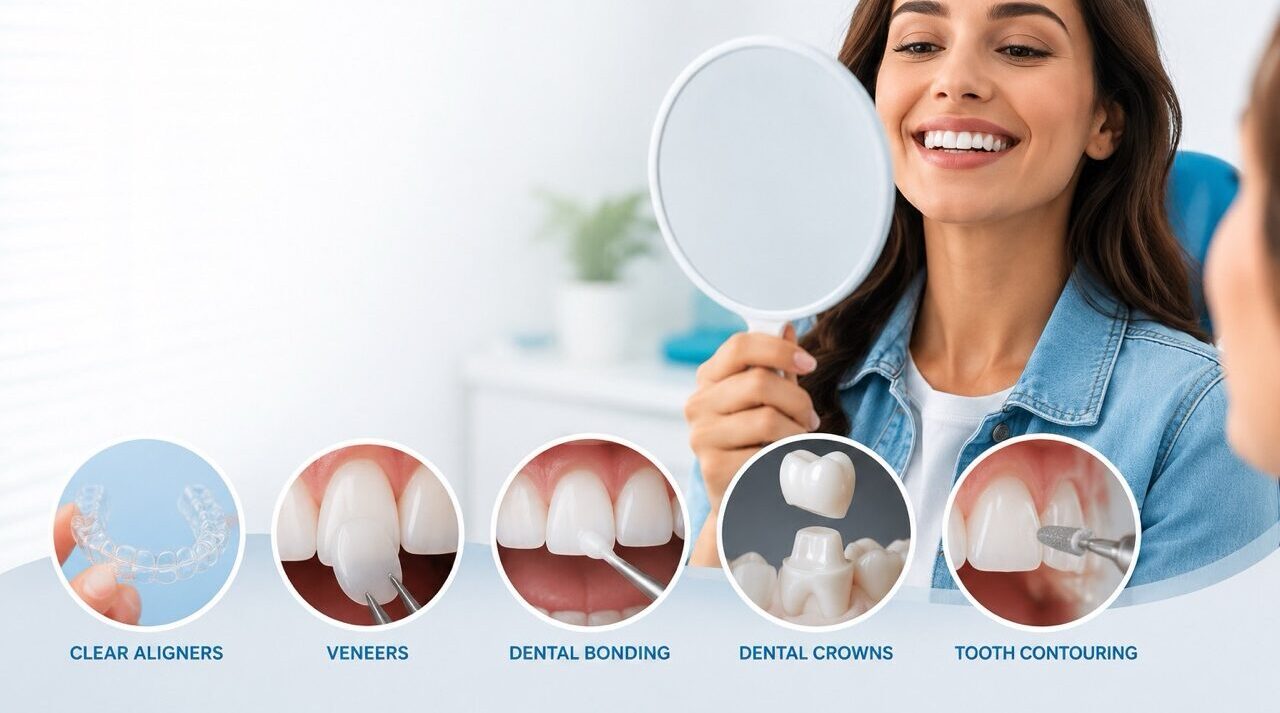
Once enamel erosion is identified, a dentist can recommend ways to slow the process and protect the teeth. In more advanced cases, restorative options such as bonding or crowns may be used to rebuild the affected teeth.
Oral Cancer
Oral cancer is less common than the other issues on this list, but it is serious enough to deserve mention. Adults who smoke, use tobacco products, or drink alcohol heavily face a higher risk. Oral cancer can develop on the lips, tongue, cheeks, floor of the mouth, or throat. Early detection makes a significant difference in treatment outcomes.
Warning signs include:
- A sore that does not heal within two weeks
- Unexplained bleeding in the mouth
- A lump or thickening in the tissue
- Difficulty swallowing or persistent hoarseness
- Numbness in the mouth or tongue
Routine dental visits at Kiefer Family Dental include an oral cancer screening. This is one of the most valuable reasons to keep up with regular checkups even when your teeth feel fine.
Older Dental Work That Needs Updating
Fillings, crowns, and other dental restorations do not last forever. Over time they can crack, loosen, or break down around the edges. When that happens, bacteria can get underneath and cause new decay. Many adults in Evansville have dental work that was placed 10, 15, or 20 years ago. That work may still look fine from the outside while quietly failing underneath. Regular dental exams allow your dentist to evaluate existing restorations and catch problems before they escalate.
Take Care of Your Oral Health in Evansville
Most of the dental problems listed here are manageable when caught early. Waiting until pain sets in almost always means more complex treatment. If you have not had a dental checkup recently, now is a good time to schedule one. At Kiefer Family Dental, we provide thorough, comfortable care for adults at every stage of oral health. Our team takes the time to understand your concerns and explain your options clearly.
Contact Kiefer Family Dental
3323 Mariner Dr, Evansville, IN 47711