
Your Complete Guide to Reducing Gum Disease at Home and Beyond
Have you noticed your gums bleeding when you brush? Maybe you deal with bad breath that just won’t go away. These are early signs of gum disease. And you are not alone.
Gum disease is one of the most common oral health problems adults face. But the good news is that it is manageable. Taking early action can help reduce gum disease and protect your teeth for the long term. Simple daily habits can make a real difference in your gum health.
Let’s walk through the steps that work.
What Is Gum Disease and Why Should You Act Early?
Gum disease starts as gingivitis. This is the mild stage where gums become red, swollen, and easy to bleed. If left untreated, it can progress to periodontitis. That is a more serious condition that affects the bone supporting your teeth.
Early signs include bleeding gums, puffiness, and bad breath. Acting early gives you the best chance to reduce gum disease before it causes lasting damage. The sooner you start, the easier it is to treat and reverse.
Step-by-Step Ways to Reduce Gum Disease
Good oral hygiene is the foundation of healthy gums. Many people clean their teeth every day but still develop gum problems. The key is knowing what to do and doing it consistently. Small changes to your daily routine can have a big impact on your gum health over time.
Here are the most effective steps to reduce gum disease starting today:
Brush Your Teeth Properly Twice a Day
Brushing twice a day is important. But how you brush matters just as much as how often you do it. Use a soft-bristled toothbrush to avoid irritating your gums. Hold the brush at a 45-degree angle toward the gumline. Brush in gentle circular motions. Spend at least two minutes each time. Proper technique removes plaque where gum disease begins.
Floss Daily to Remove Hidden Plaque
Your toothbrush cannot reach the spaces between your teeth. That is where plaque hides and builds up over time. Flossing once a day clears out those tight spaces. It removes food and bacteria your brush leaves behind. This simple step helps prevent plaque from turning into tartar. It is one of the easiest ways to reduce gum disease at home.
Use an Antibacterial Mouthwash
Mouthwash does more than freshen your breath. An antibacterial mouthwash kills the bacteria that cause gum inflammation. Rinsing once a day adds an extra layer of protection to your routine. It reaches areas that brushing and flossing may miss. Look for a mouthwash with the ADA seal of approval. It supports your overall oral hygiene and helps keep gums healthy.
Schedule Regular Dental Cleanings
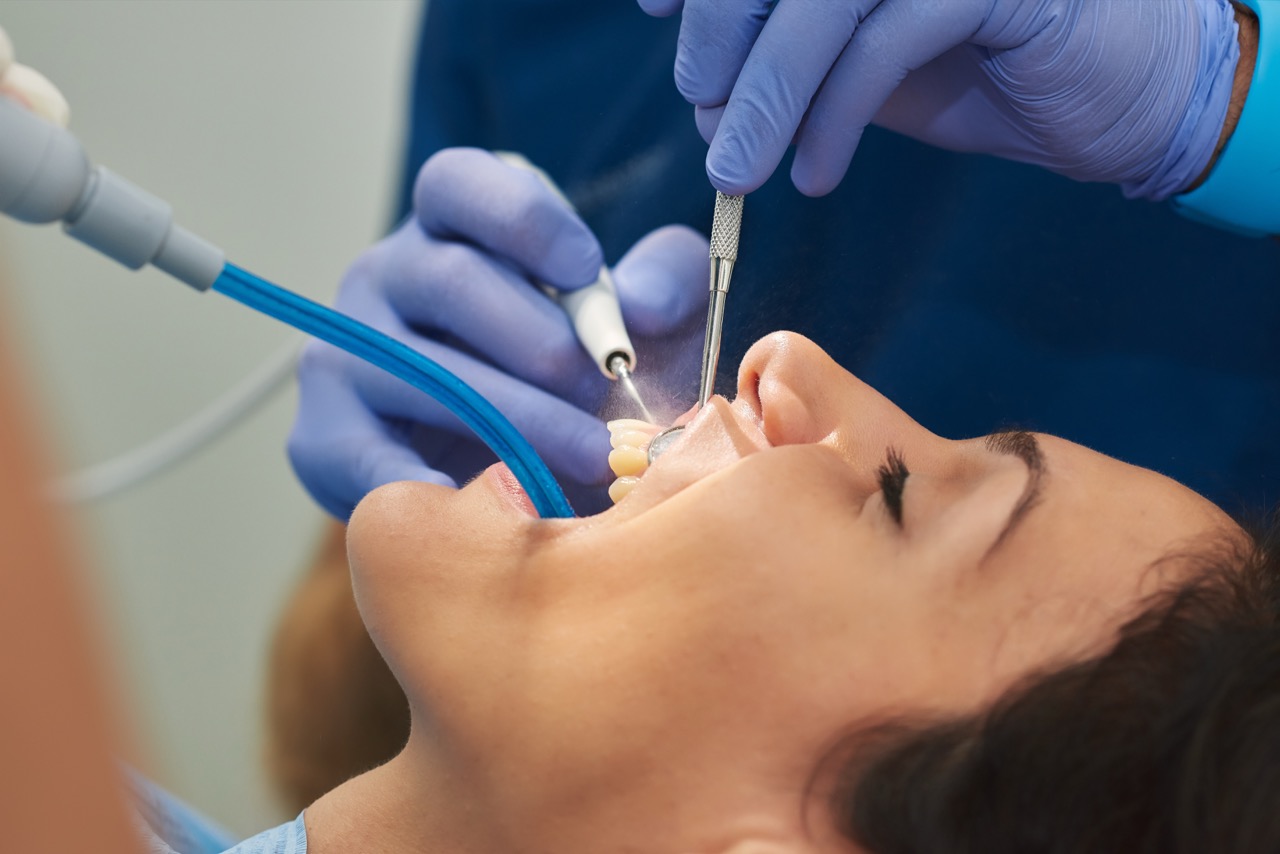
Even the best home routine cannot remove all tartar. Only a professional dental cleaning can do that. Your dentist or hygienist removes built-up plaque and tartar during your visit. They also check for early signs of gum disease you might not notice. Regular cleanings every six months help catch problems early. This is one of the most powerful steps to reduce gum disease long term.
Lifestyle Habits That Help Reduce Gum Disease
Your daily lifestyle choices affect your gum health more than you might think. What you eat, what you avoid, and how you manage your stress all play a role. These habits either support or weaken your body’s ability to fight gum disease. Making positive changes outside the bathroom can protect your smile just as much as brushing does.
Here are the lifestyle habits that support healthier gums:
Eat a Balanced Diet for Gum Health
What you eat directly affects your gum tissue. Vitamins C and D help your body fight inflammation and support healing. Eat plenty of leafy greens, citrus fruits, and lean proteins. Limit sugary snacks and drinks that feed harmful bacteria. A balanced diet strengthens your immune system. This helps your body naturally reduce gum disease and recover faster from irritation.
Avoid Smoking and Tobacco Products
Smoking is one of the biggest risk factors for gum disease. It weakens your immune system and reduces blood flow to your gums. This makes it harder for your gums to heal and fight infection. Tobacco users are far more likely to develop severe gum disease. Quitting smoking is one of the most important things you can do. Your gum health will improve significantly over time.
Manage Stress Levels
Stress affects your whole body, including your mouth. High stress weakens your immune system and makes it harder to fight gum infections. It can also lead to habits like teeth grinding, which damages your gums. Many people also neglect oral hygiene when they feel overwhelmed. Finding healthy ways to manage stress helps your body heal. Exercise, sleep, and relaxation all support better gum health.
Signs Your Gum Disease May Be Getting Worse
Many people do not realize their gum disease is progressing until it causes serious problems. Gum disease often develops slowly and without pain in the early stages. Knowing the warning signs helps you act quickly before things get harder to treat. Do not ignore these signals from your body.
Watch out for these signs that your gum disease may be getting worse:
- Bleeding gums that bleed when brushing, flossing, or even eating
- Gum recession where your gums pull away and your teeth look longer than before
- Persistent bad breath that does not improve even after brushing and rinsing
- Loose teeth that feel unstable or shift position over time
When to Seek Professional Gum Disease Treatment
Home care is a great starting point. But sometimes it is not enough on its own. If your gums bleed often, feel tender, or look swollen, it is time to see a dentist. These are signs that gum disease may be advancing.
Periodontal therapy is a professional treatment that goes deeper than a regular cleaning. It removes bacteria from below the gumline and helps your gums heal. Early intervention makes treatment easier and more effective. Waiting too long can lead to tooth loss and costly procedures.
Do not delay. Your dentist can create a plan that fits your needs and gets your gums back on track.
How Kiefer Family Dental Helps Reduce Gum Disease
At Kiefer Family Dental, we take gum health seriously. We focus on prevention so problems do not get out of hand. Our team checks your gums at every visit and looks for early warning signs. We believe catching issues early saves you time, money, and discomfort.
We offer personalized periodontal therapy for patients who need deeper treatment. Our approach is gentle, thorough, and focused on your comfort. We take time to explain your condition and what your options are. You will never feel rushed or confused. Our goal is to help every patient reduce gum disease and keep their smile healthy for life.
Take the First Step Today
You can reduce gum disease with consistent care and the right support. Start with good daily habits. Then pair them with regular professional checkups.
Early treatment always leads to better outcomes. Your gums can heal and stay strong with the right help. The team at Kiefer Family Dental is ready to help you take control of your gum health.
Schedule your appointment today and protect your smile for the long term.
Contact Kiefer Family Dental
3323 Mariner Dr, Evansville, IN 47711